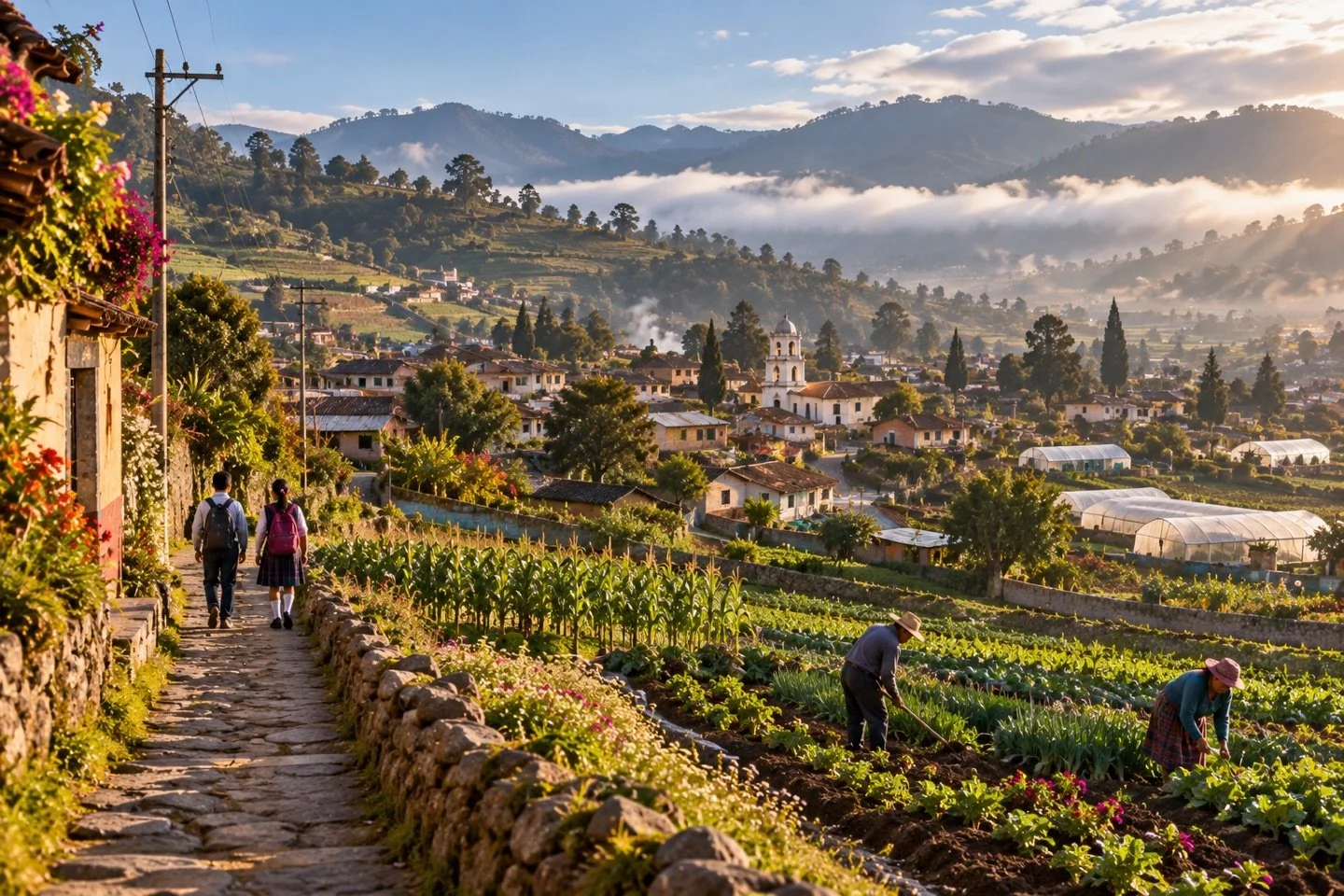
Collective leadership is important when resources are limited
Sustainability from vision through implementation
Local impact is possible because each partner is deeply rooted in local history and culture.
Meet Our Partners
Confronting generations of systemic exclusion requires conviction and creativity.
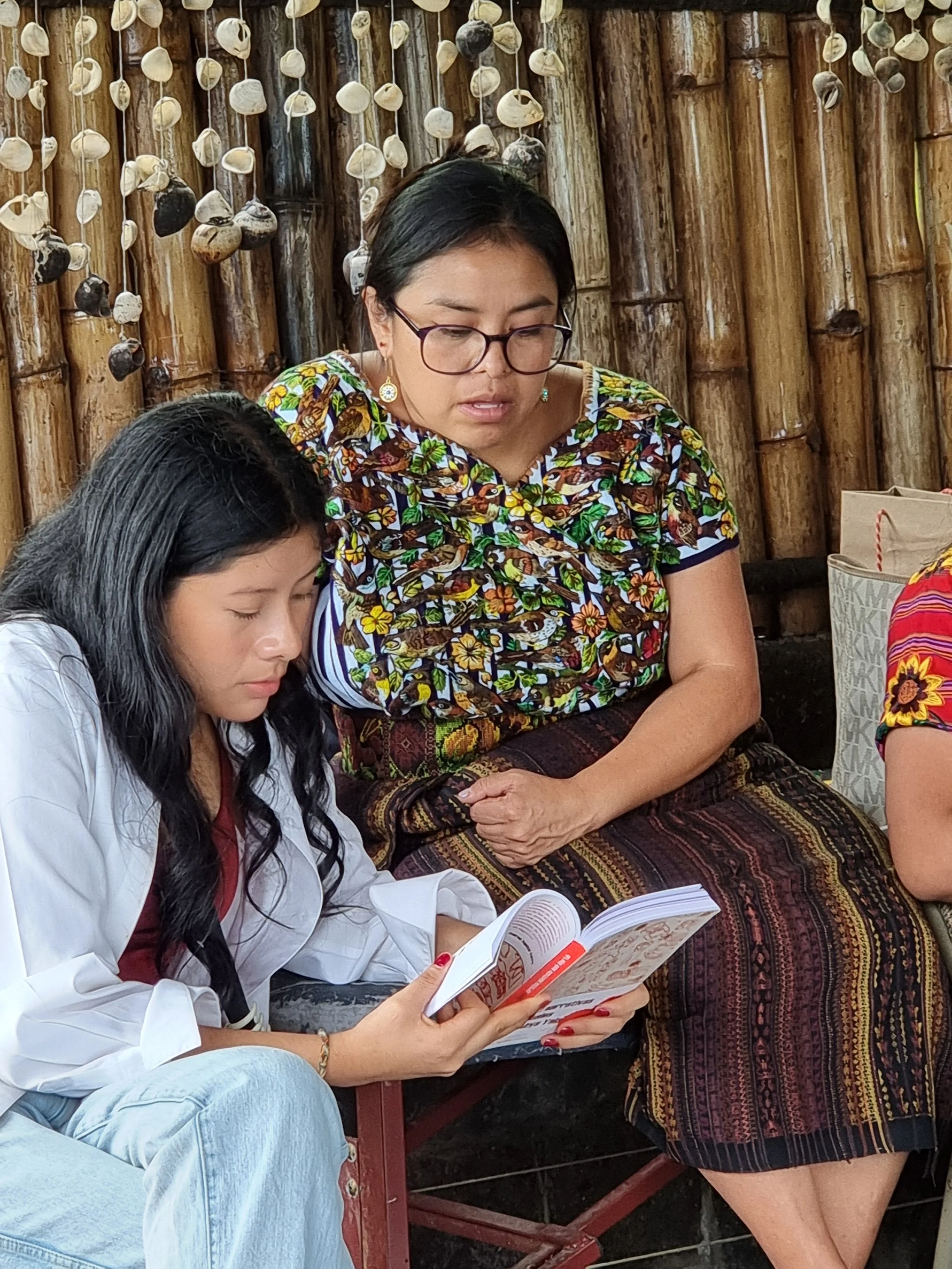

Maximizing impact
We invest in organizations that are conceived and managed by indigenous Maya leaders in Guatemala and Chiapas whose chosen life work is to transform their communities from within.
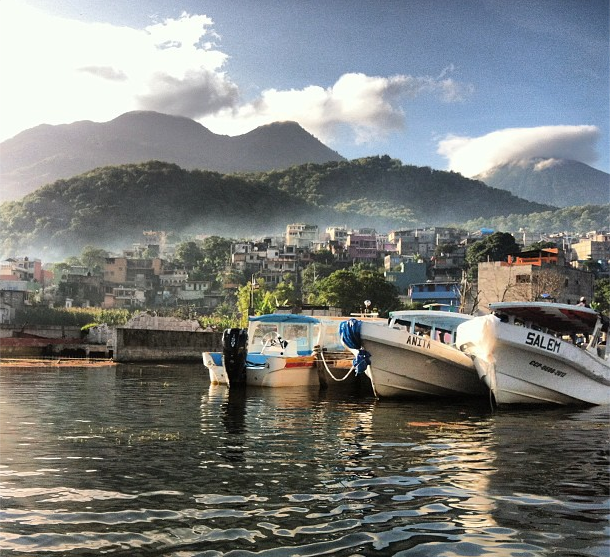
Santiago Atitlán Guatemala
Santiago Atitlán is an indigenous Tz’utujil Maya community nestled in the folds of an ancient volcano on the shores of Lake Atitlán in Western Guatemala.
The Mayans inhabited this region for several millennia before the arrival of the Spanish colonizers.
In the 1980s, the Guatemalan army killed or disappeared hundreds of villagers because of the presence of left-wing guerrillas in the area. The violent years of civil war between 1960 and 1996 were a prelude to the devastating landslides caused by Hurricane Stan in 2005.
Their recent history has left deep scars on the residents. Today, their primary sources of income are artisan crafts for tourists, canoe construction, and coffee exports.
Santiago Atitlán Partners
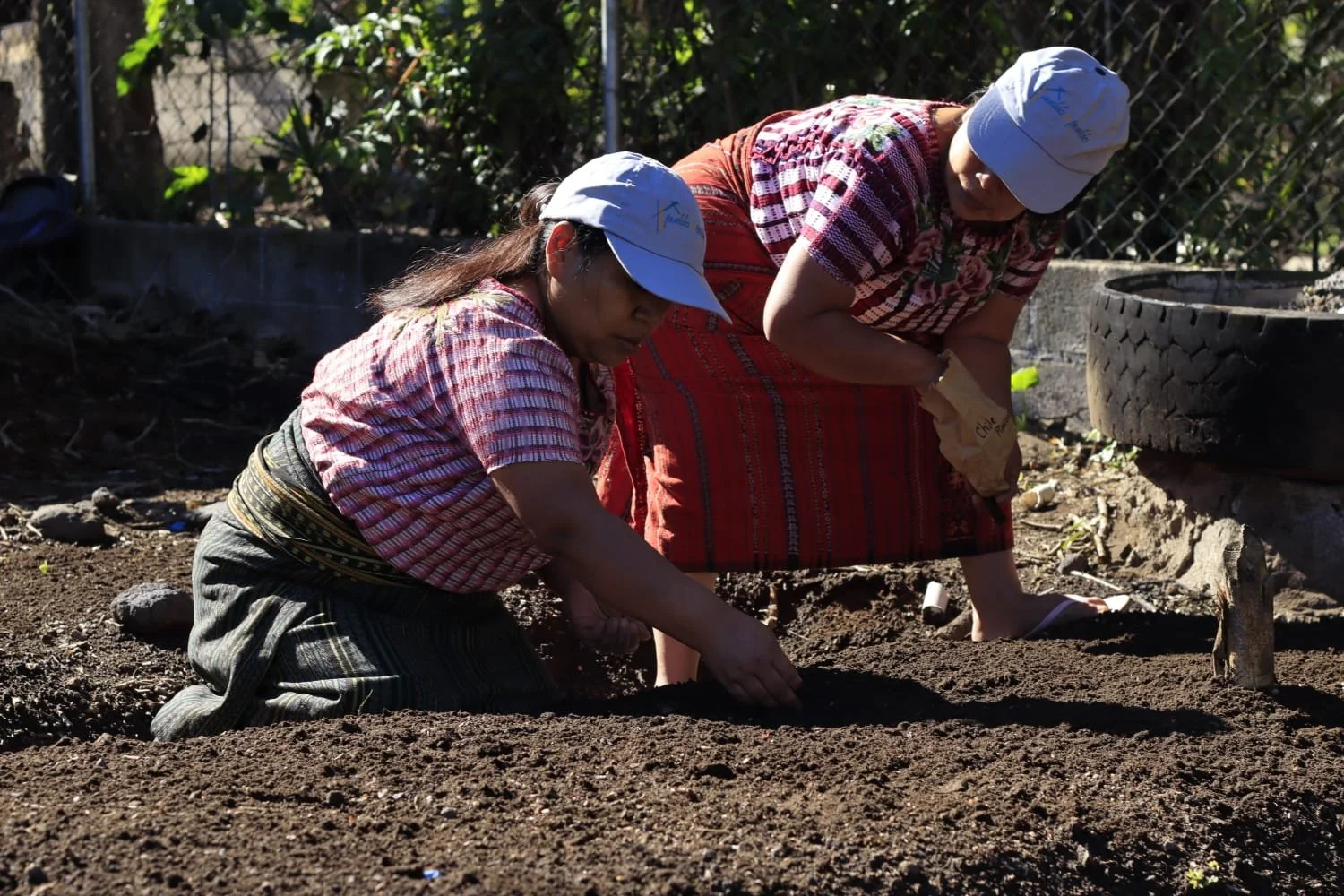
Pueblo a Pueblo was established in 2001 to improve education, health, and food security in rural areas through programs based on school health and nutrition, child education, women’s right to health, and sustainable livelihoods.
The program beneficiaries are from twelve rural indigenous Tz’utujil and Kaqchikel Maya communities near Santiago Atitlán, Sololá, Guatemala.
ANADESA
Ruk’ux

TRL
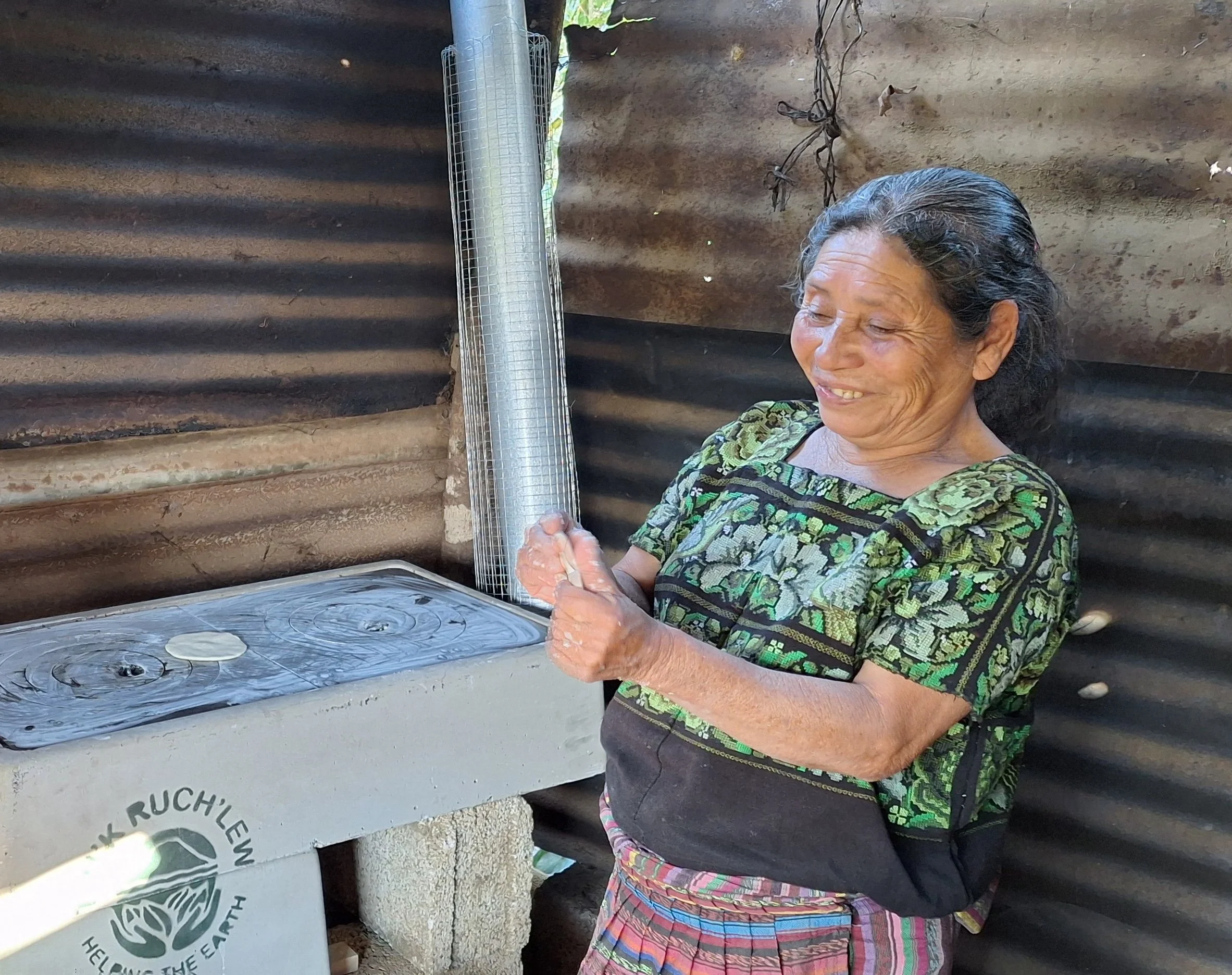
ANADESA’s name, the Association of the New Dawn of Santiago Atitlán, comes from the morning after the Hurricane Stan mudslide. Today ANADESA offers academic mentoring and access to computers for about 100 students from elementary through high school. Dozens of women benefit from micro-enterprise and life skill programs.
Program beneficiaries are from indigenous Tz’utujil Maya villages near Santiago Atitlán, Sololá, Guatemala.
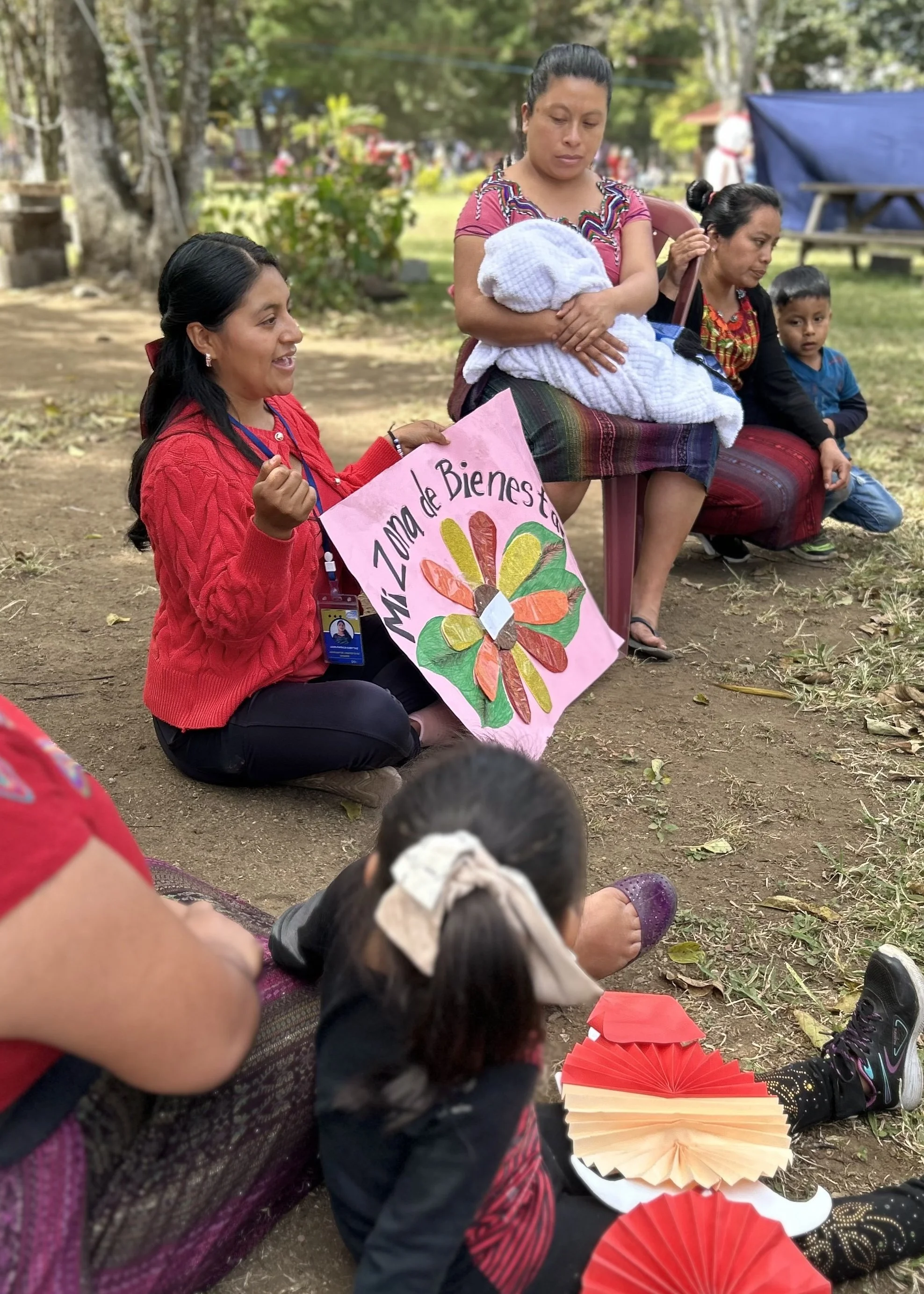
Ruk’ux Scholarship Program is a long-term investment in academic and leadership training for future leaders. Every year, ten exceptional students are challenged socially and academically as they improve their reading and writing skills and contribute to the community through volunteer service. Older students tutor the younger students, creating a community of mutual support.
Pueblo a Pueblo was established in 2001 to improve education, health, and food security in rural areas through programs based on school health and nutrition, child education, women’s right to health, and sustainable livelihoods.
The program beneficiaries are from twelve rural indigenous Tz’utujil and Kaqchikel Maya communities near Santiago Atitlán, Sololá, Guatemala.
Pueblo a Pueblo
Emerging Partners and Alliances
in Santiago Atitlán Guatemala
Emerging
Cojolya
DescriptionofCojolyablablablablablablablablablablaDescriptionofCojolyablablablablablablablablablablaDescriptionofCojolyablablablablablablablablablablaDescriptionofCojolyablablablablablablablablablablaDescriptionofCojolyablablablablablablablablablablaDescriptionofCojolyablablablablablablablablablabla
Alliance
La Puerta Abierta
The Puerta Abierta team continues widening their regional reach through Teacher Training Workshops for schools, organizations, and libraries, and multimedia material focused on children and adolescents throughout Guatemala
San Cristobal de las Casas, Chiapas, Mexico
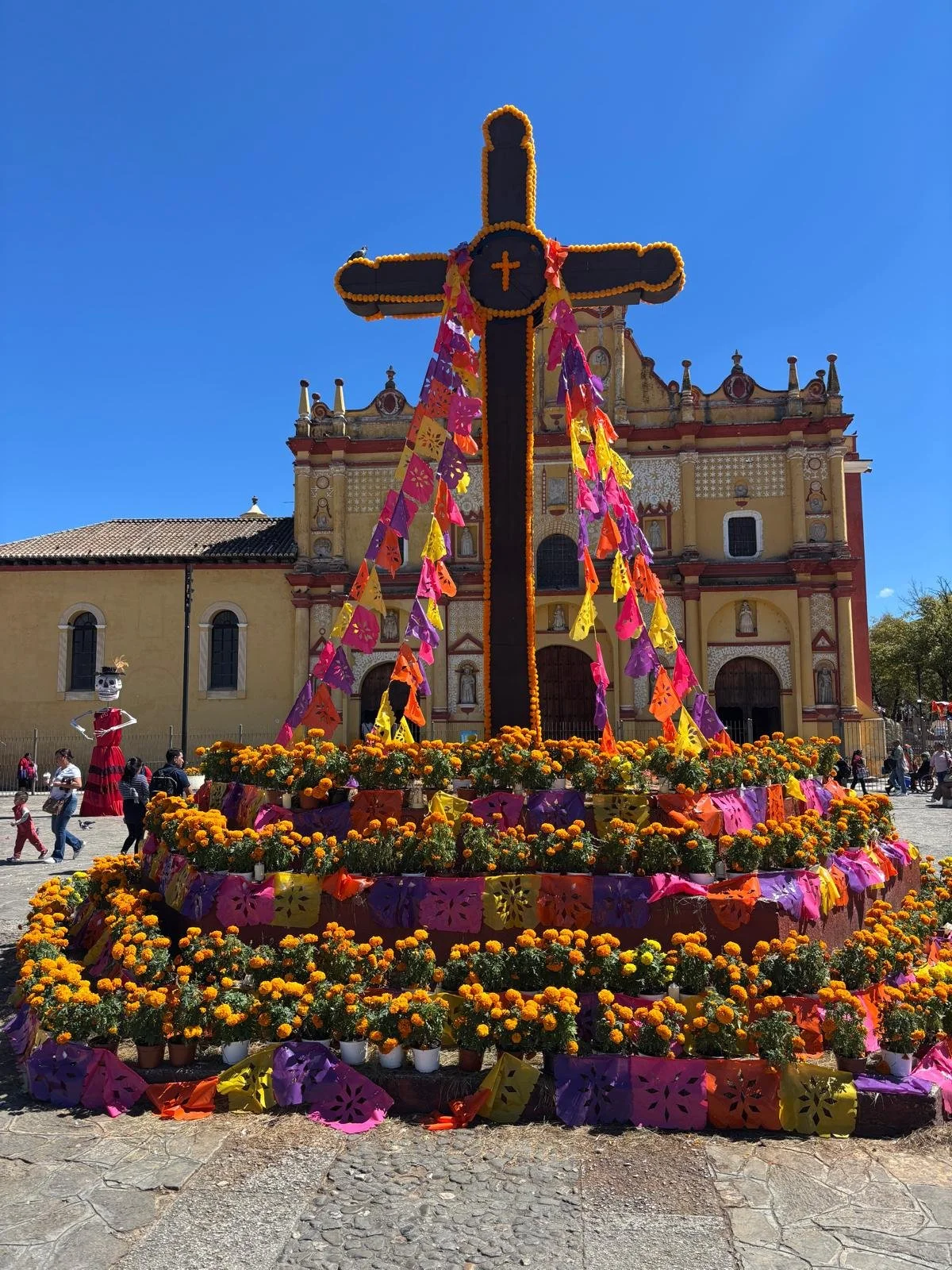
Chiapas, Mexico is a land of natural beauty, resources, and diverse cultural heritage. It is home to a large indigenous Maya population as well as a Spanish-speaking majority.
Chiapas’ rural villages lack basic infrastructure such as schools, health care, potable water, and sanitation. Faced with religious and political conflict and lack of economic opportunity, many families choose to migrate to the cities.
Even in nearby cities, many indigenous people remain marginalized because they lack formal education and the crucial ability to speak, read, or write Spanish. Extreme poverty also results in migration to other parts of Mexico or to the United States.
Zinacantán, Chiapas, Mexico
Chiapas, Mexico is a land of natural beauty, resources, and diverse cultural heritage. It is home to a large indigenous Maya population as well as a Spanish-speaking majority.
Chiapas’ rural villages lack basic infrastructure such as schools, health care, potable water, and sanitation. Faced with religious and political conflict and lack of economic opportunity, many families choose to migrate to the cities.
Even in nearby cities, many indigenous people remain marginalized because they lack formal education and the crucial ability to speak, read, or write Spanish. Extreme poverty also results in migration to other parts of Mexico or to the United States.

They walked beside us until we were ready to lead on our own.
[Name], [role]
Pueblo a Pueblo
Our team
-

Monet Goode
Chief Executive Officer
-

Emmett Marsh
Head of Operations
-

Eleanor Parks
Lead Engineer
-

Karl Holland
Client Services Manager
Common questions
Can’t find what you need? Contact us.
-
We look for organizations founded and led by members of the communities they serve.re
-
No. Graduation is voluntary and the relationship continues.
-
To partner grants and the support behind them. See our annual report.
Travel
Join a cultural immersion
Meet partners in Guatemala and Mexico and see their work first-hand.
Travel
Give your time and skills
Virtual and in-person roles for every kind of expertise.
Invest in organizations that lift their communities.
Your gift helps local leaders in Guatemala and Mexico build programs that last for generations.